Finnish Krevan Maiki Windmill
The windmill located in the town of Haliko in southwestern Finland, in the Krevanmeki region, is a landmark historical building in the area. Built in the 19th century, it is one of the few well preserved windmills in Finland, reflecting the precious heritage of Finnish agricultural history and architectural traditions. Usually used for grinding, they are an indispensable part of agricultural society, and their existence not only showcases the technology of the time, but also reflects the lifestyle of the local people. Adopting the traditional Nordic windmill design, it has an elegant appearance and practical features, with its towering tower and huge sails becoming a unique scenic line.

Rijnieku Windmill in Latvia
A historic windmill located in Latvia. It was built based on Dutch design drawings and was constructed between 1867 and 1869. This type of windmill was considered suitable for large and powerful windmills at that time. Not only does it represent a traditional milling technique that utilizes wind energy, but it is also a part of Latvia's industrial heritage with a unique architectural style and historical value. It is usually used for grinding grains or pumping water, and its specific function and historical background may be related to its geographical location and agricultural needs at that time. Not only does it showcase engineering technology from history, but it also provides a way for modern people to understand past lifestyles

Lithuanian traditional windmill
A traditional windmill located in Lithuania, whose history can be traced back several centuries. This type of windmill is known for its unique design and structure, typically featuring large sail wings and a vertical axis, which can effectively utilize wind power for operation. Not only is it an important tool in agricultural society, used for grinding and other agricultural processing tasks, but it has also become a symbol of local culture and history. Over time, these windmills gradually withdrew from practical use and became tourist attractions and educational bases, attracting tourists and scholars to learn about Lithuania's agricultural history and windmill technology.

Kulm L ī bie š u Windmill
The L ī bie š u windmill is a traditional windmill in the Kulmsku region of Latvia, also known as the Kulmsku wind turbine. It is a characteristic building of the Kurmshu region, known for its unique appearance and function. Usually made of wood, it has a circular top and a tall body. Wind energy drives grinding stones to grind grains into powder. This traditional method of grinding grains has played an important role in agriculture and food processing in the past. It is a symbol of the history and culture of the Kurmshu region, representing people's utilization of natural resources and commitment to traditional lifestyles. Now it has become a tourist attraction in the region, attracting tourists from all over the world

Estonia Sare Windmill
Saare Windmill is a historic and uniquely styled windmill located on Saare Island in Estonia, and is one of the important landmarks in the region. Built in the 19th century, it is one of the representatives of traditional windmills in Estonia. It is built from wood and stone, with a typical windmill shape and structure. Windmill blades rotate with the wind to grind grains or provide mechanical power. It is also a cultural and historical heritage of the region. Witnessing the development and lifestyle of agricultural society in the past, it is also an important heritage of traditional technology and craftsmanship for people.

Ninase Windmill in Estonia
The Ninase windmill is located in Estonia and is a historic windmill in the region. Built in the 18th century, it is a traditional rear windmill. Built with wood and limestone, it showcases the craftsmanship and characteristics of traditional architecture. Featuring a unique design, the body can rotate around a vertical axis to adjust the position of the windmill according to the wind direction. Featuring a unique design, the body can rotate around a vertical axis to adjust the position of the windmill according to the wind direction. Use wind power to drive grinding stones to grind grains into flour. It is a witness to the agricultural history of Estonia.

Mustajala Windmill in Estonia
Mustjala Windmill is located in Estonia and is a historic windmill in the region. Built in 1899, it is one of the last primitive windmills in Estonia. This windmill is an important cultural heritage that attracts many tourists to visit. Wooden structure with four wings, used to grind flour and grains using wind power. The unique design and craftsmanship showcase past agricultural techniques and rural lifestyles. The area is very beautiful, surrounded by peaceful fields and natural landscapes. Tourists can enjoy the spectacular scenery of windmills, feel the tranquility of rural life and the charm of traditional agriculture.

Habaja Windmill in Estonia
Habaja Windmill is a windmill located in Habaja Village, West Viru County, Estonia. This windmill is a historic building that showcases the technology of wind energy utilization and a part of rural life in the past. Built in the 19th century, it is a traditional wooden windmill used to convert wind energy into mechanical energy, commonly used for grinding surfaces and lifting water. This windmill is an important symbol of the local community and a part of windmill culture. As a historical relic open to the public, it attracts many tourists and cultural enthusiasts. Tourists can visit this windmill to learn about its working principle and historical background.

Duentes Windmill
Dunes Windmill is a windmill building located in Latvia. In a small town near Riga, the capital of Latvia, there is a historic windmill. This windmill was built in the 19th century and is an important historical and cultural heritage of the region. It is a wooden windmill that adopts traditional windmill design and craftsmanship. It has a unique appearance and mechanical structure, and is an important facility for local farmers to grind food and provide energy. Nowadays, it has become a popular tourist attraction, attracting many tourists to visit.

Medieval retro windmill house

Popular Models
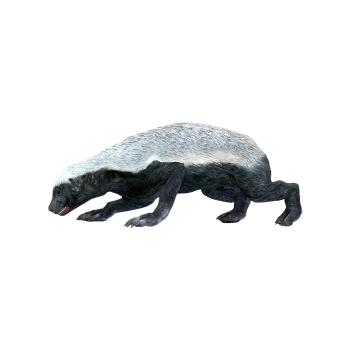
Honey Badger (3D animated model)
192 View
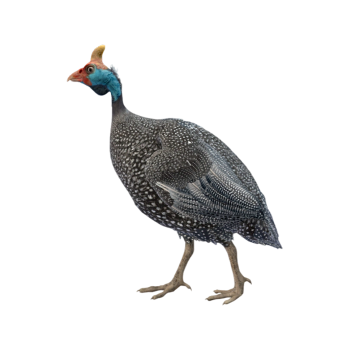
Guinea fowl (3D animated model)
163 View
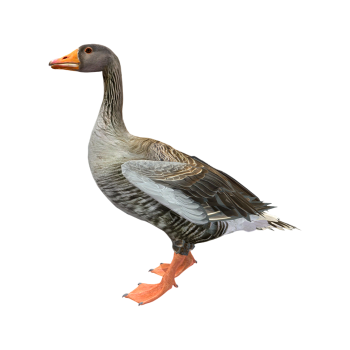
Wild Goose (3D animated model)
185 View
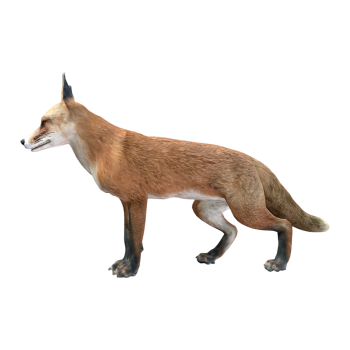
Red Fox (3D animated model)
153 View
Random Model
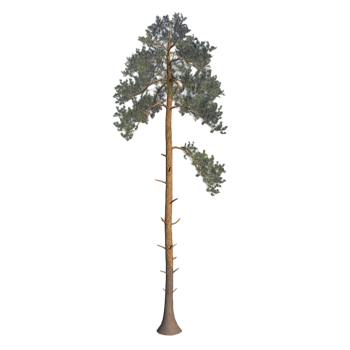
Evergreen tree
175 View

fragrant pear
400 View
cock pottery figurines
406 View

Parasaurus (3D animated model)
133 View
Erlian raptor (3D animated model)
188 View

Red Pumpkin
524 View

Wood carving "Christ by the Pillar"
444 View